

April 1, 2026 at 05:36 PM
Treasury Eyes State Oversight for Small Stablecoin Issuers
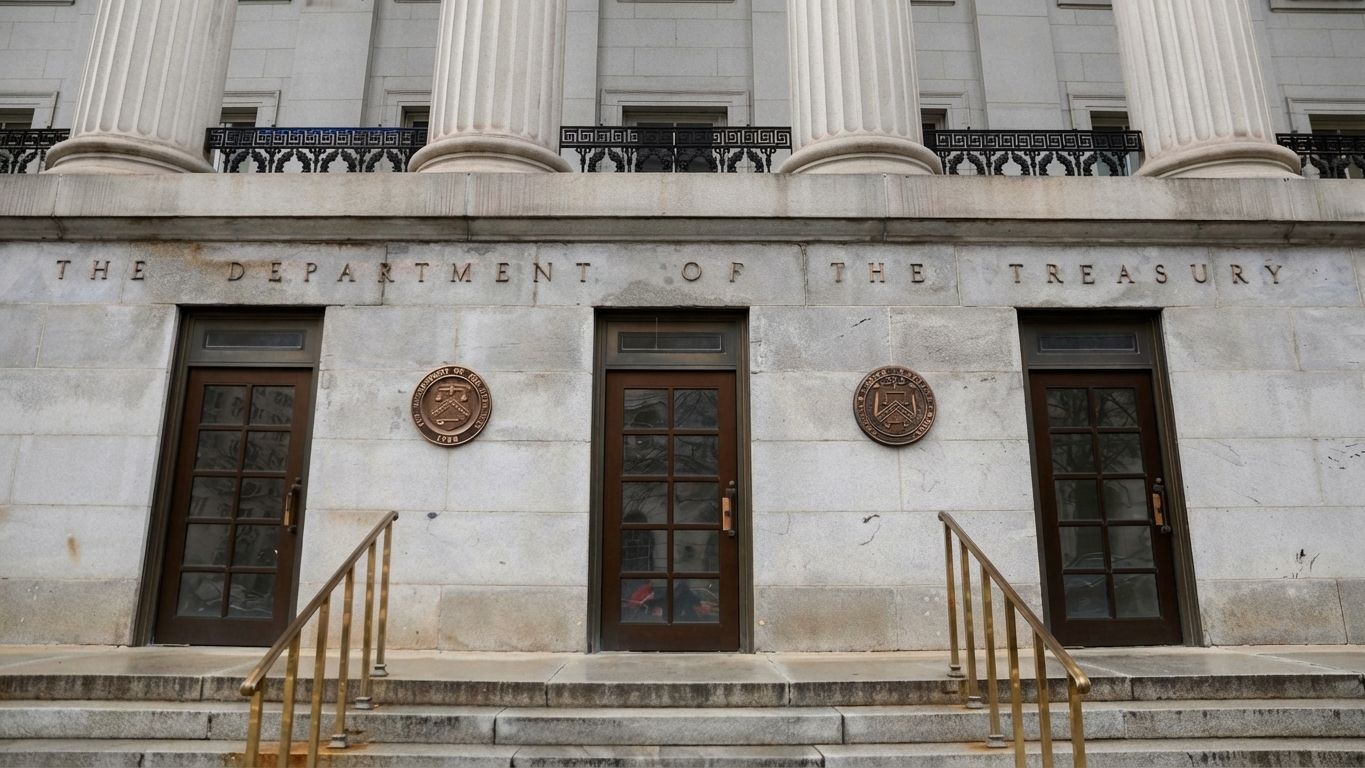
- The U.S. Treasury Department has issued a new notice of proposed rulemaking to implement the GENIUS Act, a landmark law governing stablecoins.
- The proposal aims to define criteria for determining if state-level regulatory regimes are "substantially similar" to federal standards.
- Smaller stablecoin issuers with less than $10 billion in assets may opt for state oversight if these standards are met.
- The public has a 60-day window to provide feedback on the proposal once it is published in the Federal Register.
Establishing Regulatory Equivalency
On Wednesday, the U.S. Treasury Department took a significant step in the implementation of the Guiding and Establishing National Innovation for U.S. Stablecoins (GENIUS) Act. The department released a Notice of Proposed Rulemaking (NPRM), marking the first formal regulation proposed to execute the legislation passed last summer. The primary focus of this proposal is to establish the principles that federal authorities will use to evaluate state-level regulations.
Under the GENIUS Act, the Treasury is mandated to create a framework that determines whether a state's oversight of digital assets is rigorous enough to be considered "substantially similar" to federal requirements. This move is designed to ensure a consistent level of consumer protection and financial stability across the country, regardless of whether a company is regulated at the state or federal level.
Options for Smaller Issuers
A critical component of the new proposal involves the treatment of smaller market participants. The GENIUS Act includes a provision specifically for stablecoin issuers with assets totaling less than $10 billion. These smaller entities are permitted to choose state-level regulation over direct federal oversight, provided that the state in question meets the newly defined "substantially similar" criteria.
This tiered approach is intended to prevent smaller firms from being overwhelmed by federal bureaucracy while still maintaining high standards. However, federal regulators like the FDIC and OCC continue to refine how these rules will interact with existing money transmission laws and which specific agencies will hold final authority over different aspects of the stablecoin market.
Ongoing Implementation and Legislative Gaps
This latest request for comment follows a series of actions by the Treasury to flesh out the GENIUS Act. In August, the department sought input on digital forensic tools, and in September, it focused on tax reporting and information gathering. Other major banking regulators, including the FDIC and OCC, have also initiated their own rulemaking processes to align with the new law.
Despite these advancements, the GENIUS Act currently lacks specific guidelines for yield-bearing stablecoins. This omission remains a point of contention in Congress as lawmakers attempt to draft broader market structure legislation, such as the Clarity Act. For now, the Treasury remains focused on the 60-day comment period, seeking feedback from industry stakeholders and the public to finalize the oversight framework for the evolving stablecoin sector.
What is the market reaction?
0 Comments
No comments yet
Be the first to comment