

April 1, 2026 at 04:04 PM
JPMorgan Eyes Entry Into Booming Prediction Markets
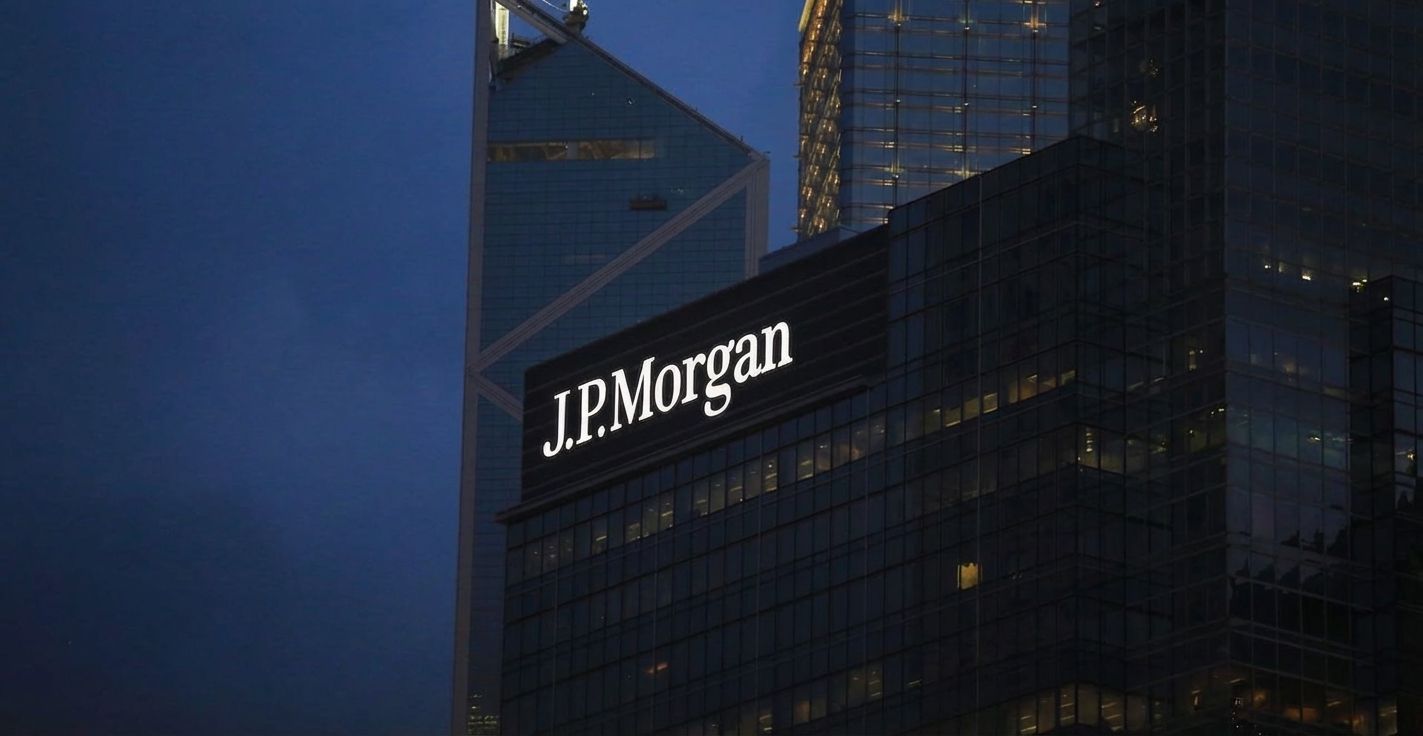
- JPMorgan CEO Jamie Dimon indicated that the bank is considering entering the prediction markets sector, though it will avoid sports and politics.
- Goldman Sachs is also actively exploring the space, with CEO David Solomon recently meeting with leadership from top prediction market firms.
- The industry is seeing rapid growth and high valuations, with Kalshi reportedly valued at $22 billion and Polymarket at $20 billion.
Institutional Interest in Prediction Markets
JPMorgan is signaling a potential shift toward prediction markets, a sector that has seen significant expansion through both traditional and crypto-native platforms. Speaking on CBS, CEO Jamie Dimon suggested that the bank might eventually offer services in this space. However, Dimon clarified that certain areas, such as sports betting or political outcomes, would remain off-limits due to internal policies and strict regulations regarding insider information.
Goldman Sachs is following a similar trajectory. During a January earnings call, CEO David Solomon confirmed that the firm is conducting due diligence on the sector. Solomon noted that he has personally met with the leadership of two prominent prediction companies to better understand their operations, while a dedicated internal team continues to evaluate the market's potential.
The Competitive Landscape
What was once a niche segment of the financial world is now becoming a major battlefield for established and emerging firms. Polymarket, which utilizes the Polygon (POL) blockchain, has gained substantial traction and is currently valued at approximately $20 billion. It has formed strategic ties with major entities like the Intercontinental Exchange.
Its primary rival, Kalshi, recently reached a valuation of $22 billion following a funding round led by Coatue Management. Unlike its crypto-based competitors, Kalshi operates as a regulated traditional exchange. Meanwhile, consumer-facing platforms like Coinbase and Robinhood have already begun integrating prediction trading into their mobile apps, bringing these products to a wider retail audience.
Technological Approaches and Regulation
The industry is currently split between two distinct infrastructures. Platforms like Polymarket rely on blockchain technology and smart contracts to automate trades and payouts using stablecoins. In contrast, firms like Kalshi utilize centralized order matching and traditional clearing methods. It is currently unclear which model major banks like JPMorgan would adopt for their own offerings.
Regulatory clarity remains a significant hurdle for widespread adoption. The Commodity Futures Trading Commission (CFTC) has recently taken steps to establish a clearer oversight framework. As the legal status of event-based contracts continues to evolve in the United States, major financial institutions are expected to remain cautious until definitive guidelines are issued.
What is the market reaction?
0 Comments
No comments yet
Be the first to comment