

April 1, 2026 at 06:47 AM
Iran Hits Tanker & Kuwait Airport; 5 Dead in Israel's Beirut Strike
- Brent crude oil prices have surged past $104 per barrel, representing a 40% increase as Iran restricts access to the Strait of Hormuz.
- Hostilities expanded on Wednesday with Iranian strikes hitting a tanker near Qatar and a fuel storage site at Kuwait International Airport.
- President Donald Trump suggested a ceasefire could be reached within two weeks, despite the U.S. deploying thousands of additional troops to the region.
Escalation in Gulf Waters and Regional Strikes
Tensions in the Middle East reached a new peak on Wednesday as Iranian forces continued their campaign against neighboring maritime and energy targets. A tanker located off the coast of Qatar was struck by a projectile, while a drone attack targeted Kuwait International Airport, causing a significant fire at a fuel tank. These incidents are part of a broader series of attacks, with more than 20 vessels targeted by Iran since the onset of the conflict.
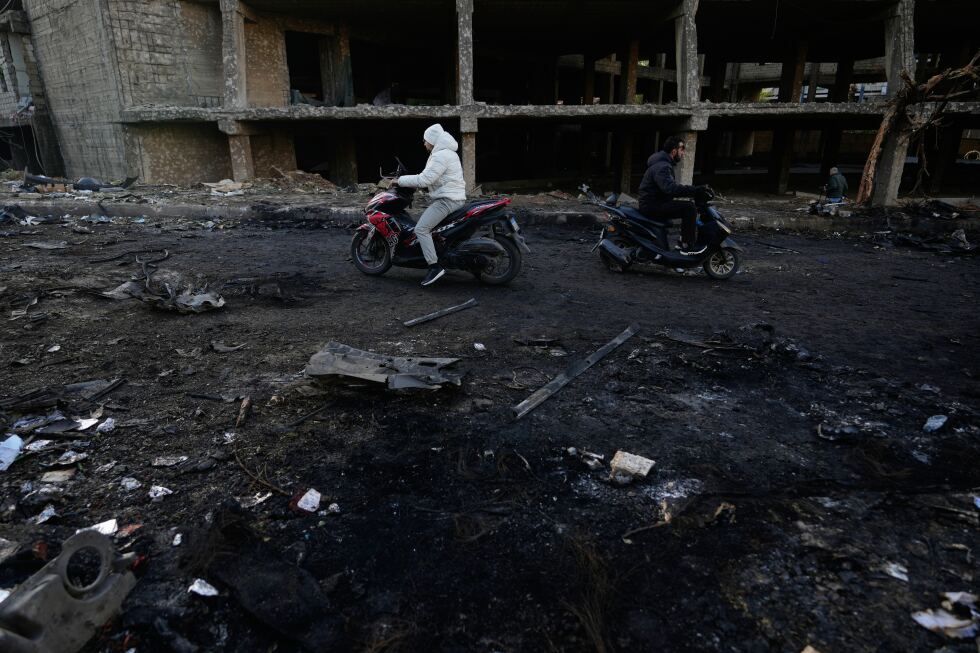
In tandem with the maritime strikes, Israel conducted operations in Lebanon, resulting in at least five fatalities in Beirut. Israel also reported a strike on the Tofigh Daru plant in Iran, alleging the facility was producing fentanyl for use in chemical weaponry. Iranian officials confirmed the strike but maintained the factory produces strictly medical-grade pharmaceuticals.
Global Energy Markets and Economic Pressure
The ongoing blockade of the Strait of Hormuz, which began following U.S. and Israeli actions on February 28, has severely impacted global energy supplies. The waterway normally facilitates the passage of one-fifth of the world's oil supply. This disruption has driven Brent crude to its highest levels since 2022, causing significant volatility across international stock markets.
President Donald Trump has signaled that the responsibility for securing the strait should fall on the nations that utilize it most, specifically naming France and various Asian countries.
- Brent crude price: Over $104 per barrel
- Price increase: More than 40% since the start of the war
- Economic impact: Highest gas prices in two years
Diplomatic Standoff and Military Mobilization
While the U.S. has proposed a 15-point ceasefire plan, including the reopening of the Strait of Hormuz, diplomatic progress remains stalled. Iranian Foreign Minister Abbas Araghchi confirmed receiving messages from U.S. envoy Steve Witkoff but stated that trust in Washington is at zero. Iran has countered with its own 5-point proposal, insisting on maintaining sovereignty over the vital waterway.
Despite the diplomatic friction, President Trump predicted the war could conclude in approximately two weeks. However, the U.S. military is simultaneously moving thousands of Marines and paratroopers toward the region. This mobilization aims to prepare for potential offensives against Kharg Island, a critical Iranian oil export hub, should a ceasefire not be finalized shortly.
Human Toll of the Conflict
The scale of the conflict is reflected in the rapidly rising casualty figures across multiple nations. Over 3,000 lives have been lost since hostilities began.
- Iran: More than 1,900 fatalities reported
- Lebanon: Over 1,200 dead and 1 million people displaced
- United States: 13 service members killed and 348 wounded
- Israel: 19 dead in direct conflict and 10 soldiers killed in Lebanon
What is the market reaction?
0 Comments
No comments yet
Be the first to comment