

March 31, 2026 at 02:34 AM
Asia Pivots to Russian Oil Amid Iran War Supply Crunch
- Global oil disruptions have reached a critical point, with roughly 20% of the world's supply blocked due to the conflict between the U.S., Israel, and Iran.
- Washington has implemented a temporary waiver on sanctions for Russian crude oil shipments currently at sea to stabilize the energy market.
- Southeast Asian nations, including the Philippines and Vietnam, are increasingly looking toward Moscow to secure energy supplies as domestic fuel prices spike.
Escalating Supply Crisis in Asia
The ongoing war involving Iran has effectively shuttered the Strait of Hormuz, a vital maritime artery that previously funneled a significant portion of global energy exports toward Asia. The situation worsened recently as Iran-backed Houthi rebels joined the fray, presenting additional risks to international shipping lanes. In response to the mounting pressure on global crude supplies, the United States eased restrictions on Russian oil shipments that were already in transit, a move first extended to India and subsequently to the rest of the world.
While this policy shift has provided a temporary opening for energy-hungry nations, the volume of available cargo remains restricted. Muyu Xu, a senior analyst at Kpler, noted that the opportunity for countries to secure these shipments is rapidly shrinking. According to data from Kpler, there are approximately 126 million barrels of Russian crude currently at sea, for which nations across the continent are now fiercely competing.
Southeast Asian Nations Respond to Energy Emergencies
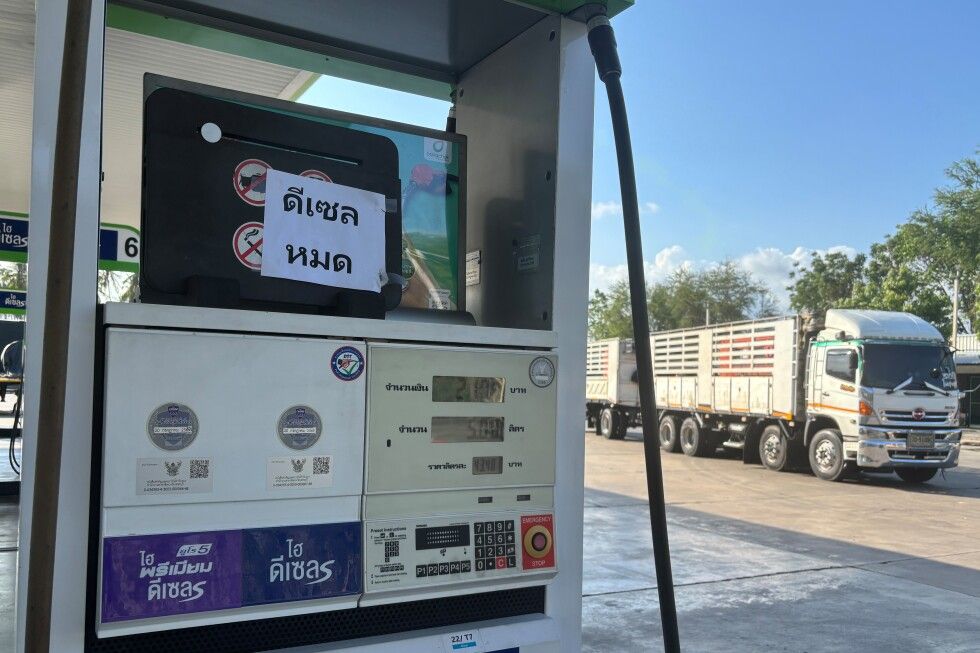
The impact of the supply shock is most visible in the Philippines, where the government has declared an energy emergency. For the first time in five years, the Manila government imported Russian crude to mitigate a crisis that has seen gas station lines stretch for blocks and airlines consider fuel rationing. Prior to the conflict, the Philippines relied on the Middle East for nearly 97% of its seaborne oil imports.
Other regional players are making similar strategic pivots:
- Vietnam: Prime Minister Pham Minh Chinh recently visited Russia to secure agreements on oil, gas, and nuclear energy as rising diesel costs threaten the country’s manufacturing sector.
- Thailand: After lifting price caps on March 26, diesel prices surged by 18%, leading to increased costs for transportation and consumer goods.
- Indonesia: Energy Minister Bahlil Lahadalia confirmed that the government is considering all partners, including Russia and Brunei, to bolster national reserves.
Constraints on Russian Production and Market Outlook
Despite the surge in demand, Russia's ability to bridge the global supply gap is limited. Export levels reached 3.8 million barrels per day in March, up from 3.2 million in February, yet they remain below the mid-2023 peak of 3.9 million. Moscow's export infrastructure has been hampered by the four-year-long invasion of Ukraine and recent drone strikes targeting its energy facilities.
India and China remain the dominant buyers, though even their massive imports may not suffice. India's imports of Russian oil climbed to 1.9 million barrels per day in March, yet this fails to fully offset the loss of the 2.6 million barrels it previously sourced from the Middle East. While China maintains a massive onshore inventory of 1.2 billion barrels, poorer nations in the region have few alternatives. Experts suggest that unless the U.S. extends its sanction waiver beyond April, many Asian economies will face deepening poverty and prolonged energy shortages.
What is the market reaction?
0 Comments
No comments yet
Be the first to comment