

March 30, 2026 at 10:46 AM
Tokyo Traders Gain 200ms Edge on Hyperliquid: Glassnode
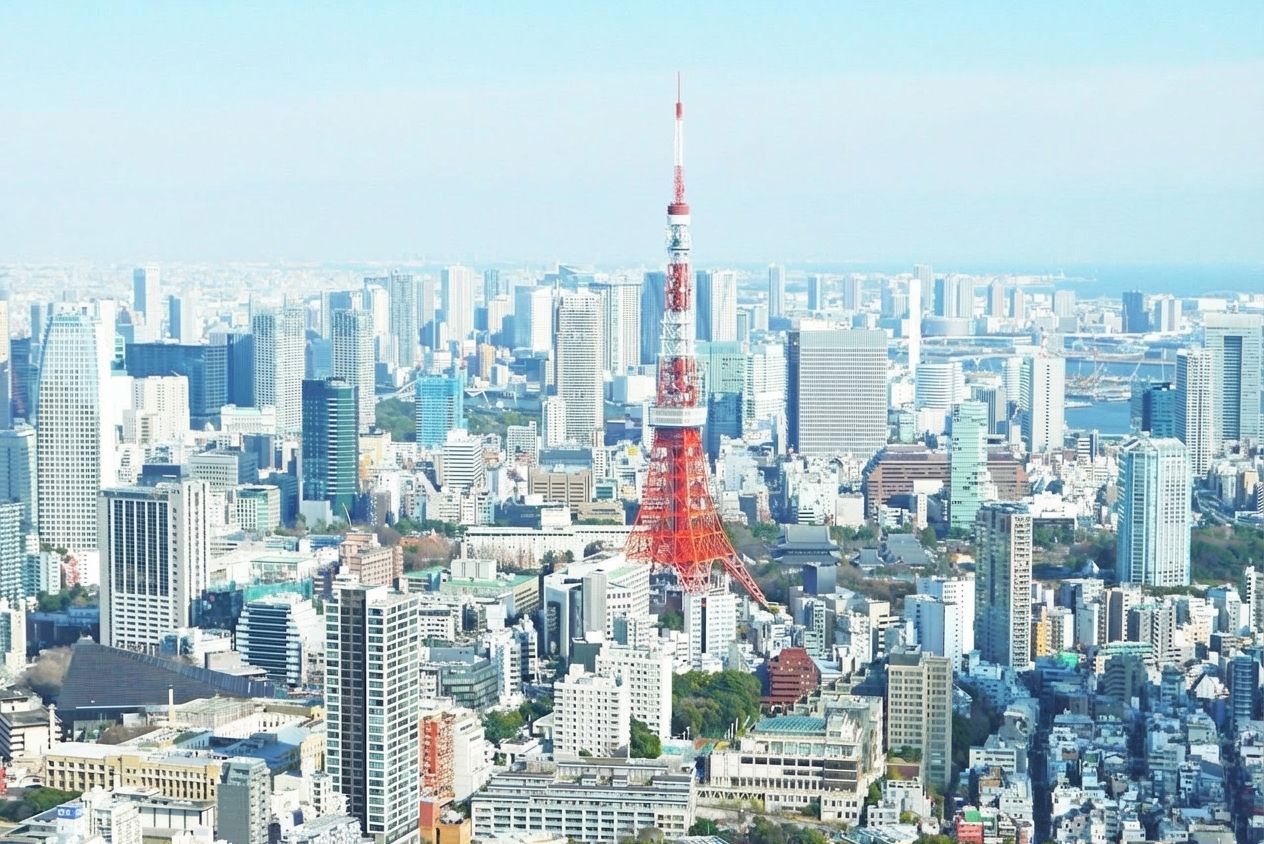
- Tokyo-based traders on the Hyperliquid platform benefit from a 200-millisecond speed advantage compared to users in Europe or the U.S.
- Research from Glassnode reveals that the protocol's 24 validators are all concentrated within a single Amazon Web Services (AWS) region in Japan.
- This geographic centralization highlights a significant execution asymmetry in decentralized finance, where proximity to physical infrastructure dictates market success.
Infrastructure Concentration and Speed
Recent data from Glassnode indicates that while Hyperliquid operates as a decentralized exchange, its physical infrastructure is highly localized. The platform's 24 validators are clustered in the AWS ap-northeast-1 region in Tokyo. This setup allows local traders to reach validators in just 2 to 3 milliseconds, whereas European users experience delays exceeding 200 milliseconds.
The impact on order execution is measurable. A standard round-trip order from Tokyo takes approximately 884 milliseconds, with only 5 milliseconds spent on network transit. In contrast, an order from Ashburn, Virginia, takes roughly 1,079 milliseconds. On a platform processing over $4 billion in daily perpetuals volume, this 200-millisecond gap allows local firms to secure better positions and tighter spreads.
Tokyo as a Crypto Infrastructure Hub
The concentration of infrastructure in Tokyo is a long-standing trend. Major centralized exchanges like Binance and KuCoin also utilize the AWS Tokyo region. BitMEX CEO Stephan Lutz noted that moving their infrastructure to Tokyo led to a liquidity surge of 180% in main contracts and up to 400% in certain altcoin markets, driven almost entirely by latency reduction.
Konstantin Richter, CEO of Blockdaemon, suggests that Japan's evolved regulatory framework has made it an institutionally scalable environment. This has reinforced Tokyo as the "center of gravity" for digital asset plumbing in Asia, despite the risks associated with single-region reliance. An AWS outage in April 2025 previously demonstrated this vulnerability, causing widespread service issues across multiple platforms.
Comparison with Traditional Finance
In the world of traditional finance, exchanges go to extreme lengths to eliminate the geographic advantages seen in decentralized markets. The NYSE uses specialized fiber optics to ensure cable lengths are equalized to the nanosecond, and IEX implements a 350-microsecond "speed bump" to neutralize proximity benefits. Furthermore, European MiFID II regulations mandate strict clock synchronization and audited cable lengths.
Decentralized finance currently lacks these regulatory safeguards. As institutional capital continues to flow into DeFi, the current structure of platforms like Hyperliquid suggests that the "latency arms race" once confined to Wall Street is now a defining feature of the decentralized landscape, with Tokyo serving as the primary battleground.
What is the market reaction?
0 Comments
No comments yet
Be the first to comment