

March 30, 2026 at 09:35 AM
New US Bill: Tax Breaks for Stablecoins, Not Bitcoin
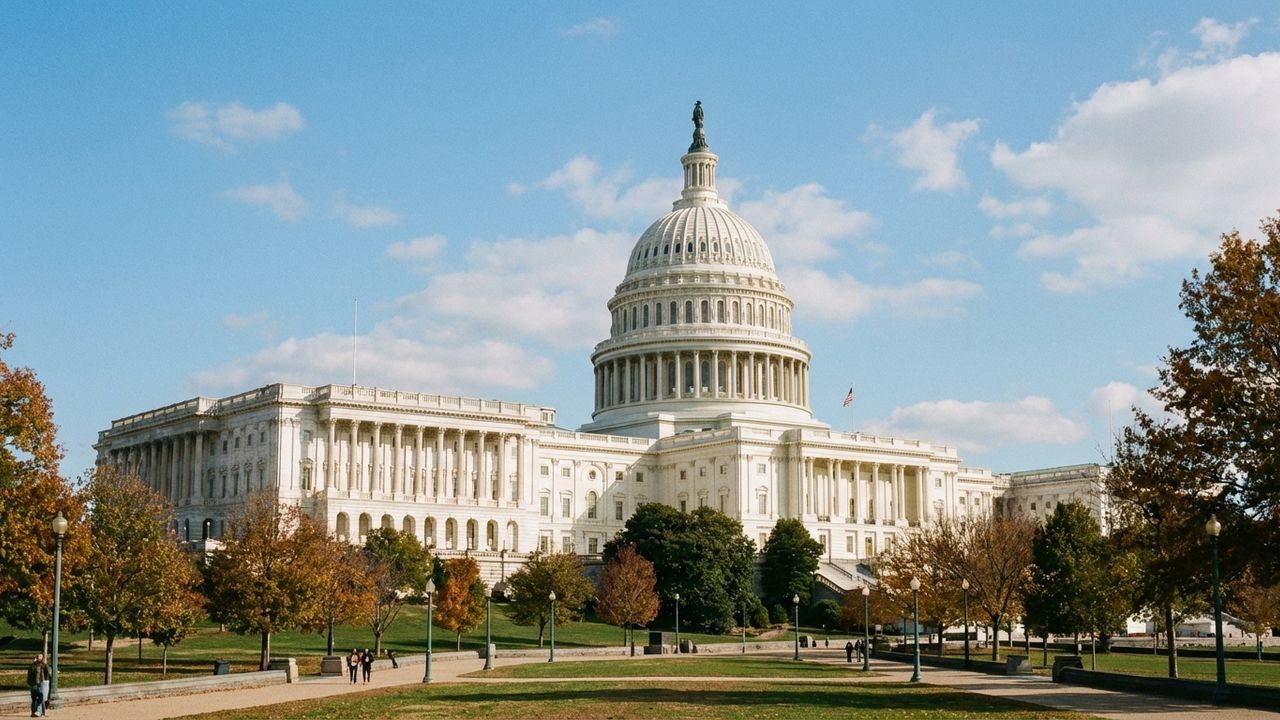
- US Representatives Max Miller and Steven Horsford have released a discussion draft for the Digital Asset PARITY Act to modernize the Internal Revenue Code of 1986.
- The proposal introduces a $200 de minimis tax exemption for transactions involving stablecoins, but notably excludes Bitcoin from this benefit.
- Staking, lending, and passive validator income would be classified as gross income and taxed annually based on fair market value.
Modernizing Digital Asset Taxation
The proposed legislation, officially known as the Digital Asset Protection, Accountability, Regulation, Innovation, Taxation, and Yields Act, aims to provide a comprehensive overhaul of how the Internal Revenue Service (IRS) treats crypto assets. By amending the tax code from 1986, lawmakers hope to establish a clearer framework for investors and companies operating within the United States. Cody Carbone, CEO of the Digital Chamber, emphasized that such clarity is essential to ensure digital asset activity remains onshore.
Targeted Stablecoin Exemptions
A central feature of the bill is the tax treatment of dollar-pegged stablecoins. The draft suggests that these tokens would be exempt from capital gains or losses, provided their value remains within 1% of the $1 peg (a fluctuation of no more than $0.01). Key provisions include:
- A $200 threshold for individual transactions, below which no tax reporting is required.
- A restriction preventing transaction costs for acquiring or moving stablecoins from being added to an investor's cost basis.
- An annual cap on total exemptions, which is still to be determined by lawmakers.
Income from Yield and Validation
The bill also addresses the growing sector of crypto yields. Under the draft, any income generated through staking, lending, or passive validator services must be reported as part of a recipient's gross income each year. This income would be calculated using the fair market value of the assets at the time of receipt. This move represents a formalization of how the IRS views decentralized finance (DeFi) and consensus-level earnings.
Criticism Over Bitcoin Exclusion
The draft has faced immediate pushback from the Bitcoin community because it does not extend the de minimis exemption to the world's largest cryptocurrency. Critics, including Pierre Rochard, CEO of The Bitcoin Bond Company, argue that Bitcoin should be the priority for such exemptions. Rochard described the bill as moving in the "wrong direction," asserting that stablecoins are merely digital versions of fiat currency and lack the decentralized and permissionless nature of Bitcoin.
What is the market reaction?
0 Comments
No comments yet
Be the first to comment