

March 27, 2026 at 06:32 AM
Middle East War Escalates: Israel Hits Tehran, Oil Surges to $107
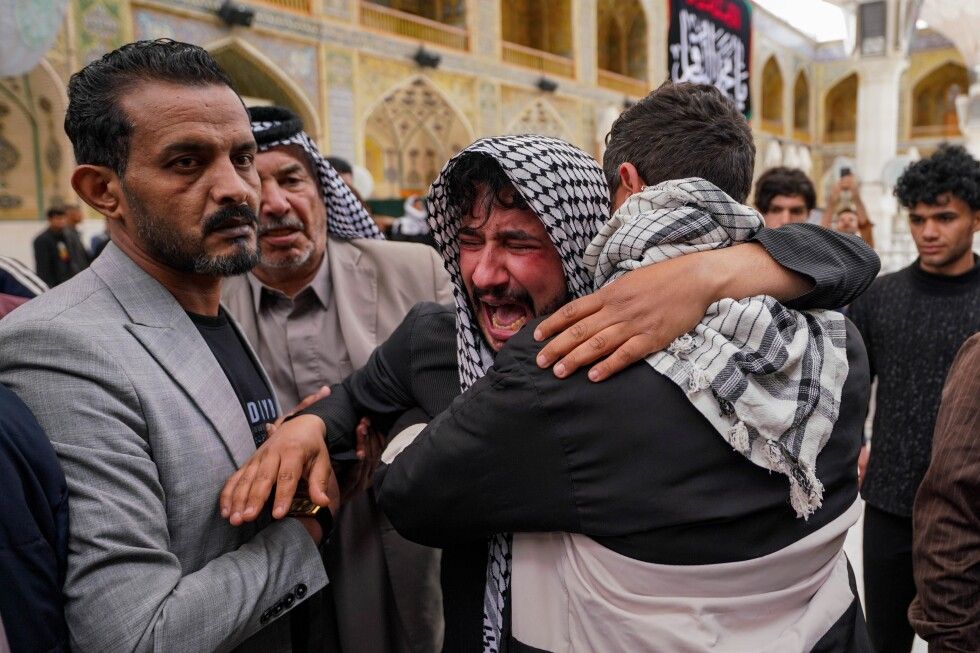
- Israel launched a series of strikes targeting the heart of Tehran and weapon production facilities as the conflict nears the end of its first month.
- A diplomatic stalemate persists as Iran rejects a 15-point ceasefire proposal delivered by the United States via Pakistan.
- Global energy markets are under pressure, with Brent crude rising to $107 per barrel, a 45% increase since the war began on February 28.
Escalation of Military Operations
On Friday morning, Israel carried out significant air strikes against targets in Tehran, following an announcement that it would intensify operations against Iranian weapons infrastructure. While the full extent of the damage remains unclear, the regional conflict has expanded to involve multiple fronts. Smoke was observed over Beirut, and Israel reported intercepting missiles fired toward its territory.
Concurrently, Iran has targeted neighboring Gulf states, with reports of incoming drones and missiles in Kuwait and the United Arab Emirates. In response to the growing instability, the United States has deployed thousands of additional troops to the region, including 2,500 Marines and 1,000 paratroopers from the 82nd Airborne Division. These forces may be tasked with securing the Strait of Hormuz, a vital maritime corridor where Iran has reportedly begun charging tolls for safe passage.
Diplomatic Impasse and International Response
Efforts to reach a ceasefire have reached a deadlock. U.S. envoy Steve Witkoff communicated a 15-point action list to Tehran that includes restrictions on its nuclear program and the reopening of the Strait of Hormuz. However, Iran rejected the offer, presenting a five-point counter-proposal that demands reparations and formal recognition of its sovereignty over the waterway.
The U.N. Security Council is scheduled to hold a closed session on Friday to discuss the attacks on civilian infrastructure. The meeting was requested by Russia and scheduled by the United States, which currently holds the council presidency.
Economic and Human Impact
The ongoing hostilities have triggered significant volatility in global markets. Following sharp declines on Wall Street, Asian markets also retreated on Friday due to fading hopes for de-escalation.
The human cost of the conflict continues to mount across the region:
- More than 1,900 people have been killed in Iran.
- Lebanon has reported over 1,100 fatalities.
- Israel has confirmed 18 civilian deaths and the loss of 3 soldiers in Lebanon.
- U.S. forces have suffered 13 fatalities, while 80 Iraqi security personnel have died in clashes with supported militias.
- Additional deaths have been reported in the West Bank and across the Gulf Arab states.
What is the market reaction?
0 Comments
No comments yet
Be the first to comment