

March 27, 2026 at 02:47 AM
Iran Conflict Triggers Fertilizer Crisis, Global Food Prices to Rise
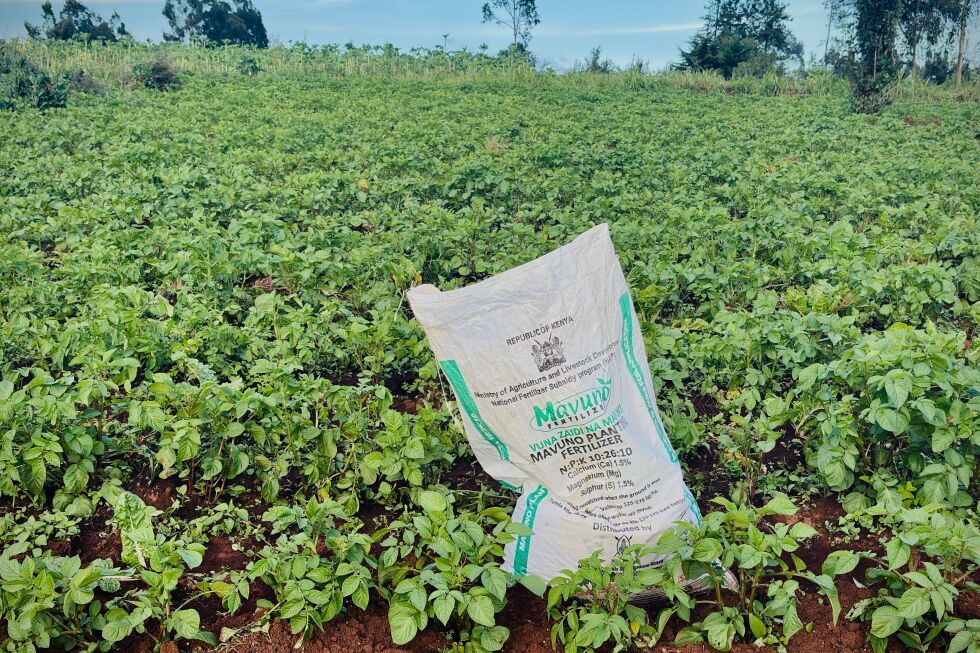
- Global Fertilizer Supply Disrupted: The conflict in Iran and the subsequent blockade of the Strait of Hormuz have restricted approximately 30% of the global urea trade and one-third of all fertilizer commerce.
- Critical Timing for Agriculture: The shortage coincides with the primary planting seasons in the Northern Hemisphere and parts of Africa, threatening crop yields and causing a spike in food prices.
- Economic Strain on Farmers: Rising natural gas prices and insurance costs are squeezing margins for farmers, particularly in developing nations like India and Ethiopia.
Strategic Blockade Impacts Global Trade
The ongoing war in Iran has created a severe bottleneck in the Strait of Hormuz, a narrow waterway responsible for a fifth of global oil shipments. In retaliation for military actions by the U.S. and Israel, Tehran has restricted passage, directly impacting the movement of nitrogen and phosphate. Chris Lawson of the CRU Group highlights that urea—the most widely traded fertilizer—is the hardest hit due to shipping delays and the soaring cost of liquefied natural gas, a critical raw material for its production.
- Saudi Arabia accounts for roughly 20% of the world's phosphate fertilizer production.
- The region exports more than 40% of the world's sulfur, a vital byproduct of oil refining used in agriculture.
- Insurance premiums for cargo ships are expected to remain elevated even after hostilities cease, according to Owen Gooch of Argus Consulting Services.
Regional Crises and Food Security
The supply vacuum is being felt most acutely in developing economies. Ethiopia typically sources over 90% of its nitrogen fertilizer from the Gulf, a route now severely compromised. In India, the government has allocated $12.7 billion for urea subsidies this year to protect smallholders. However, Baldev Singh, a farmer in Punjab, warns that many small-scale operations may not survive the June peak demand period without additional support.
Carl Skau of the World Food Program notes that the timing is disastrous, as delayed fertilizer application during the early growth stages can lead to total crop failure. In East Africa, Stephen Muchiri of the Eastern African Farmers Federation reports that millions of smallholders are facing a narrow window to secure inputs amidst erratic weather patterns.
Market Shifts and Consumer Impact
As the shortage persists, the global food system is showing signs of fragility. Hanna Opsahl-Ben Ammar of Yara International emphasizes that stable supply chains are essential for global food production. Unlike the price spikes seen following the invasion of Ukraine, current grain prices are lower, meaning farmers have less capital to absorb higher input costs.
Joseph Glauber from the International Food Policy Research Institute suggests that farmers may be forced to switch to less fertilizer-intensive crops, such as soybeans, or reduce their fertilizer usage entirely. This reduction in input will likely lead to lower yields and higher prices for consumers at the grocery store. With major producers like China prioritizing domestic supply and Russia operating at full capacity, other nations are unlikely to fill the current market deficit.
What is the market reaction?
0 Comments
No comments yet
Be the first to comment