

March 26, 2026 at 06:10 AM
US-Iran Tensions Mount: Hormuz Control Sparks Energy Crisis
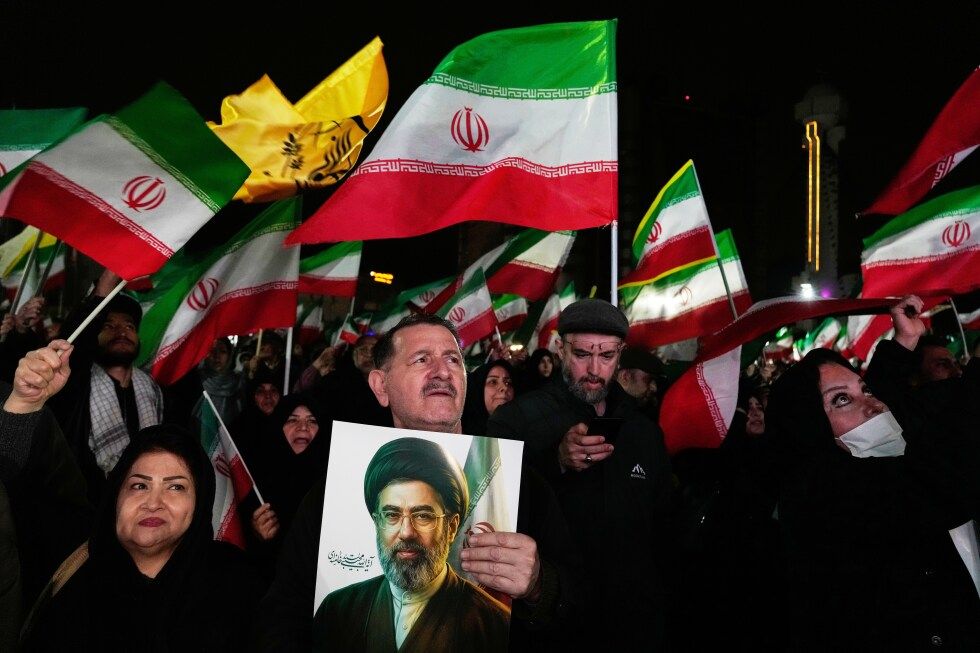
- Iran formalizes control over the Strait of Hormuz, establishing a "toll booth" regime that requires some vessels to pay in Chinese yuan for passage.
- The United States escalates its military presence in the Middle East, deploying the USS Tripoli with thousands of Marines and paratroopers as diplomacy falters.
- Global oil prices have surged by 40% since the conflict began on February 28, with Brent crude reaching $104 per barrel due to supply disruptions.
Militarization of the Strait and Economic Impact
Iran has solidified its grip on the Strait of Hormuz, a critical maritime corridor through which 20% of the world’s oil and natural gas is transported. According to industry analysis from Lloyd’s List Intelligence, the Iranian Revolutionary Guard has implemented a screening process involving manifest reviews, crew vetting, and "geopolitical vetting."
While the process prioritizes oil shipments, some vessels are reportedly being forced to settle transit payments in Chinese yuan. This development has caused significant market volatility, driving Brent crude prices to $104. International leaders, including German Defense Minister Boris Pistorius, have labeled the ongoing conflict a catastrophe for the global economy.
U.S. Military Escalation and Combat Readiness
In response to Tehran’s actions, Washington has moved additional combat forces toward the region. The strike group led by the USS Tripoli is carrying approximately 2,500 Marines, while an additional 1,000 paratroopers from the 82nd Airborne have been ordered to the Middle East.
U.S. Navy Adm. Brad Cooper, commander of U.S. Central Command, reported that American and Israeli forces have struck over 10,000 targets since the war's onset. These operations have reportedly destroyed 92% of Iran’s largest ships and more than two-thirds of its missile and drone production facilities. Military analysts suggest the U.S. may be targeting Iran's primary oil terminal at Kharg Island to force the reopening of the strait.
Diplomatic Gridlock and Continued Hostilities
Diplomatic efforts to reach a ceasefire appear to be at an impasse. The U.S. delivered a 15-point proposal via Pakistan, which includes the reopening of the Strait of Hormuz. Conversely, Iran has countered with a 5-point plan demanding reparations and the formal recognition of its sovereignty over the strait.
While U.S. President Donald Trump claimed that Tehran is desperate for a deal, Iranian Foreign Minister Abbas Araghchi stated that the government does not plan on any negotiations. Meanwhile, the conflict continues to take a heavy human toll:
- Over 1,500 people have been killed in Iran.
- 1,100 fatalities have been reported in Lebanon.
- 13 U.S. military members have lost their lives.
- 20 people have been killed in Israel, along with additional casualties in Iraq and the West Bank.
Recent strikes have been reported near Isfahan, a city housing major military and nuclear facilities. Additionally, air defenses in Saudi Arabia and the United Arab Emirates have intercepted multiple drones and missiles as the regional conflict widens.
What is the market reaction?
0 Comments
No comments yet
Be the first to comment