

March 24, 2026 at 07:34 PM
BNY Mellon CEO: Big Banks are the Bridge to Crypto's Future
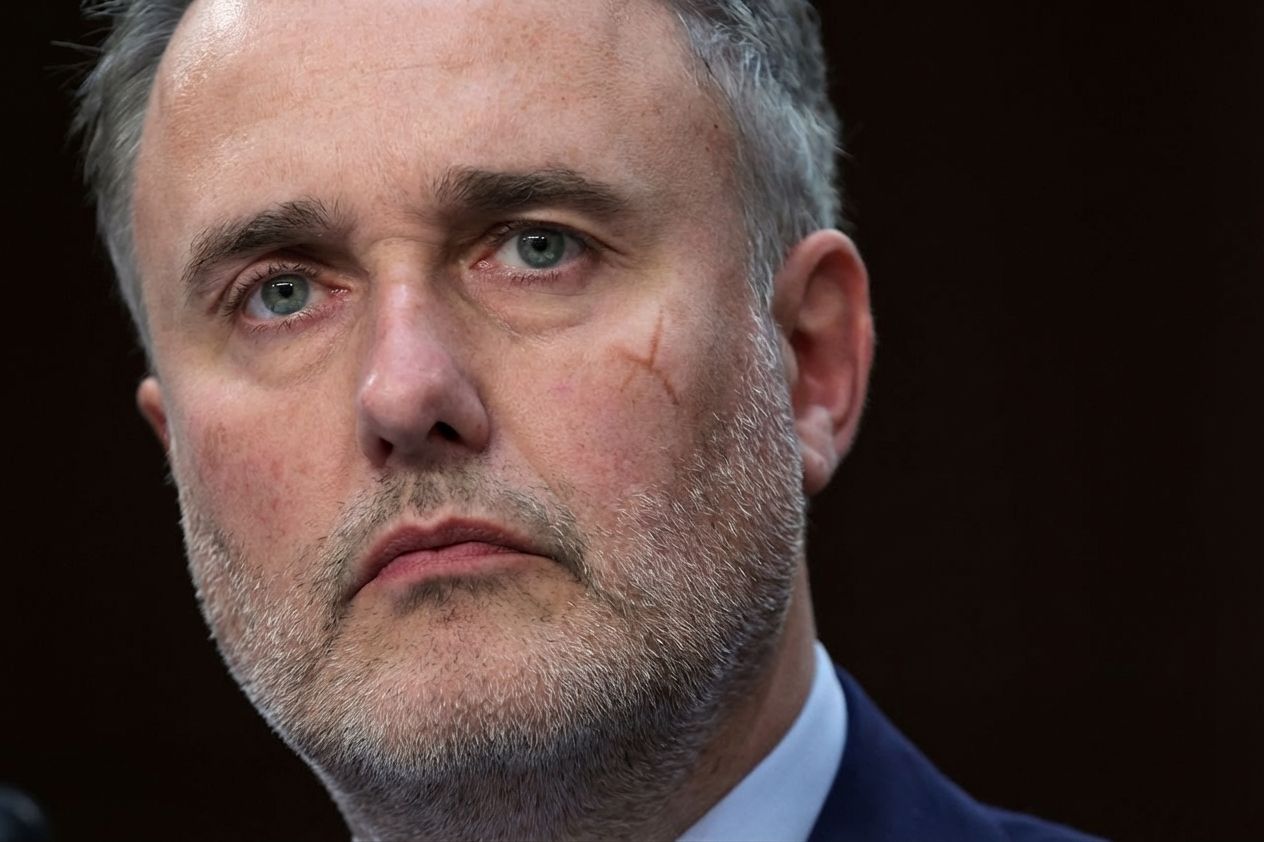
- BNY Mellon CEO Robin Vince asserts that large financial institutions will serve as the primary bridge for mainstream cryptocurrency adoption.
- The bank is focusing on tokenization, specifically creating digital tokens for money market funds and addressing inefficiencies in the loan and real estate markets.
- Progress in the sector is expected to be a 5 to 15-year journey dependent on regulatory clarity and technological advancement.
The Bridge Between Traditional and Digital Finance
During the Digital Asset Summit in New York on Tuesday, Robin Vince, the CEO of BNY Mellon, highlighted the essential role of incumbent banks in the evolution of digital assets. Vince argued that rather than being replaced by decentralized finance, traditional banks are uniquely positioned to connect new technologies with the established financial system. As one of the first major custodians to offer digital asset custody, BNY Mellon views this shift as a natural progression of its history with technological adoption.
Vince dismissed the notion that crypto would bypass established players, describing the bank as an adoption vehicle for its vast infrastructure and client base. He noted that digital asset providers look to traditional institutions to provide a stable gateway into the broader market through existing services and frameworks.
Focus on Tokenization and Efficiency
A central theme of Vince’s outlook is the tokenization of traditional financial products. BNY Mellon has already begun developing digital tokens and new share classes for money market funds to encourage broader institutional participation. Vince identified sectors where current processes are outdated—specifically describing loans and real estate as "clunky"—as the areas most likely to benefit from tokenization in the near future.
By creating digital versions of these assets, the bank aims to streamline transactions and improve liquidity in markets that have historically suffered from slow and complex administrative requirements.
Regulatory Challenges and the Long-Term Horizon
Despite the potential for growth, Vince emphasized that the "Wild West" nature of the current crypto environment deters 90% of the financial services community. For institutional participation to scale, there is an urgent need for clear rules of the road. This sentiment comes as U.S. lawmakers navigate complex legislation. While the GENIUS Act concerning stablecoins has passed, the Digital Asset Market Clarity Act remains in flux.
Recent updates to the Digital Asset Market Clarity Act draft have faced scrutiny from industry insiders. Key points of contention include:
- Limitations on stablecoin yield, where banks have pushed to allow rewards for user activity while prohibiting interest on balances.
- The need for narrow and clear language to satisfy both crypto startups and traditional lenders.
Vince concluded that the full integration of digital assets will not happen overnight, estimating a 5, 10, or 15-year timeline. He stressed that while the pace may be slowed by the need for oversight, the industry should remain optimistic about the technological progress currently underway.
What is the market reaction?
0 Comments
No comments yet
Be the first to comment