

March 24, 2026 at 04:23 PM
Morgan Stanley: Wall St. Crypto Push is Long-Term, Not FOMO
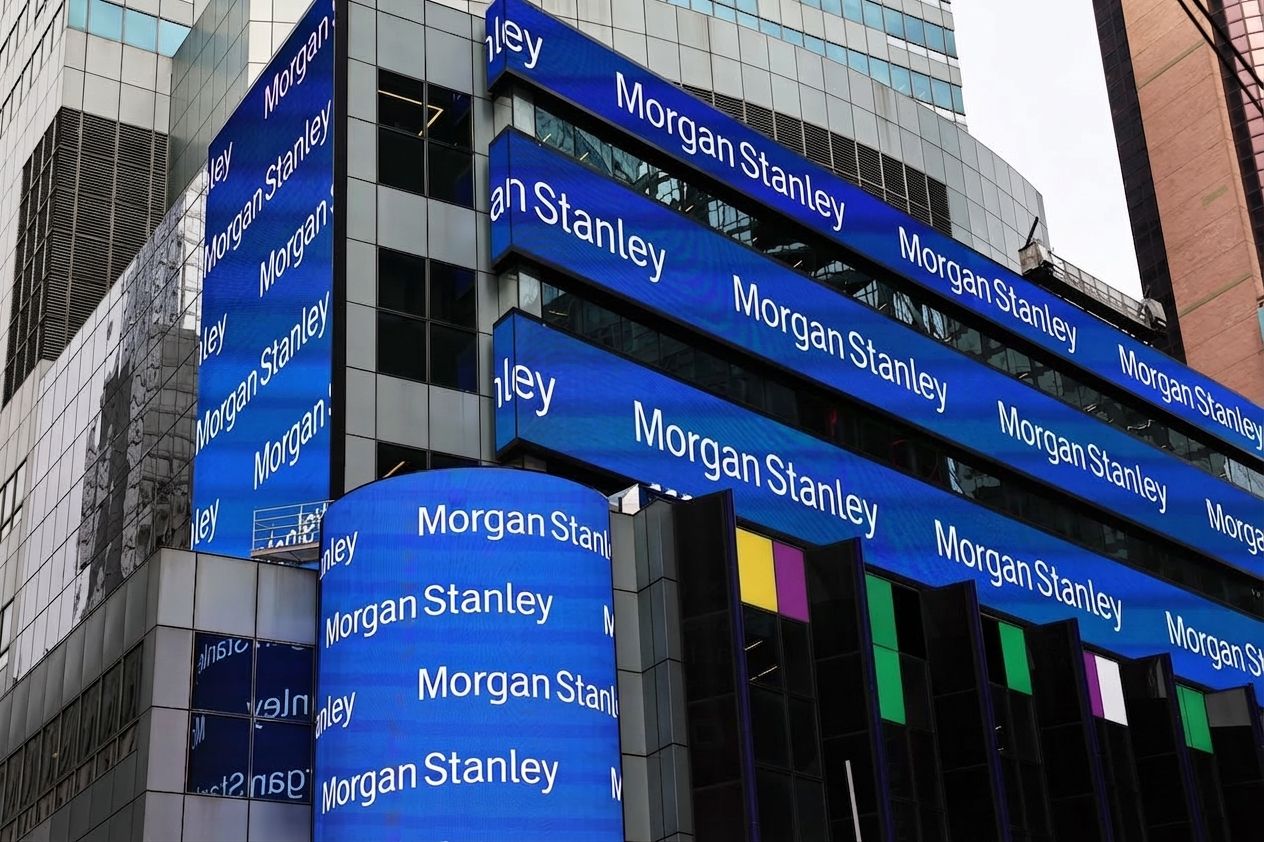
- Morgan Stanley's head of digital asset strategy, Amy Oldenburg, refuted the notion that Wall Street is entering the crypto space due to FOMO, citing years of internal infrastructure development.
- The bank plans to support tokenized equities trading on its alternative trading system later this year, with further expansions scheduled for 2026.
- Modernizing legacy financial systems remains a primary challenge as institutions move toward faster settlement and continuous trading capabilities.
A Strategy Years in the Making
Speaking at the Digital Asset Summit in New York on Tuesday, Amy Oldenburg, Morgan Stanley’s head of digital asset strategy, clarified that the current institutional push into cryptocurrency is not a sudden reaction to market trends. Oldenburg argued that the narrative of major banks joining the sector out of a "fear of missing out" (FOMO) is inaccurate. Instead, she described a long-term journey focused on the modernization of global financial infrastructure that has been underway for several years.
Historically, Morgan Stanley and its peers maintained a cautious approach, limited by regulatory ambiguity and concerns regarding compliance and custody. Initial forays were restricted to indirect exposure, such as providing wealthy clients access to Bitcoin funds or offering spot Bitcoin ETFs via the E*Trade platform. However, the firm has recently transitioned to a more comprehensive digital asset strategy encompassing trading, asset management, and core infrastructure.
Tokenization and Infrastructure Upgrades
A significant milestone in this strategy is the bank's plan to integrate tokenized equities. Oldenburg revealed that Morgan Stanley is preparing to support the trading of these assets on its alternative trading system (ATS) later this year. This platform already facilitates the trading of equities, ETFs, and American Depositary Receipts (ADRs), making it a logical foundation for digital expansion. Additionally, the bank aims to activate its trajectory cross to further support this ecosystem in the second half of 2026.
This transition involves a deep technical overhaul of existing systems. Oldenburg noted that the firm is essentially re-learning how legacy "pipes and plumbing" function to upgrade decades-old architecture. The goal is to move away from slow, traditional processes toward systems that allow for:
- Faster settlement of transactions
- Continuous, 24/7 trading cycles
- Increased efficiency through stablecoins for rapid money movement
Complexity and Institutional Coordination
Despite the progress, Oldenburg highlighted the immense complexity of integrating blockchain technology with large-scale banking systems. She pointed out a disconnect between crypto startups and major institutions, noting that founders often underestimate the numerous connectivity points required within a bank's internal network. Because the global financial system is an integrated web, Morgan Stanley cannot modernize in isolation; the process requires broad coordination across the entire industry.
While token prices may fluctuate, Oldenburg emphasized that internal activity and development continue to accelerate. Characterizing the current state of institutional adoption as the "early innings," she signaled that while the integration of Wall Street and digital assets is a gradual process, it is a permanent shift in the financial landscape.
What is the market reaction?
0 Comments
No comments yet
Be the first to comment