

March 24, 2026 at 03:19 AM
US Clarity Act Draft Bans Yield on Stablecoin Balances
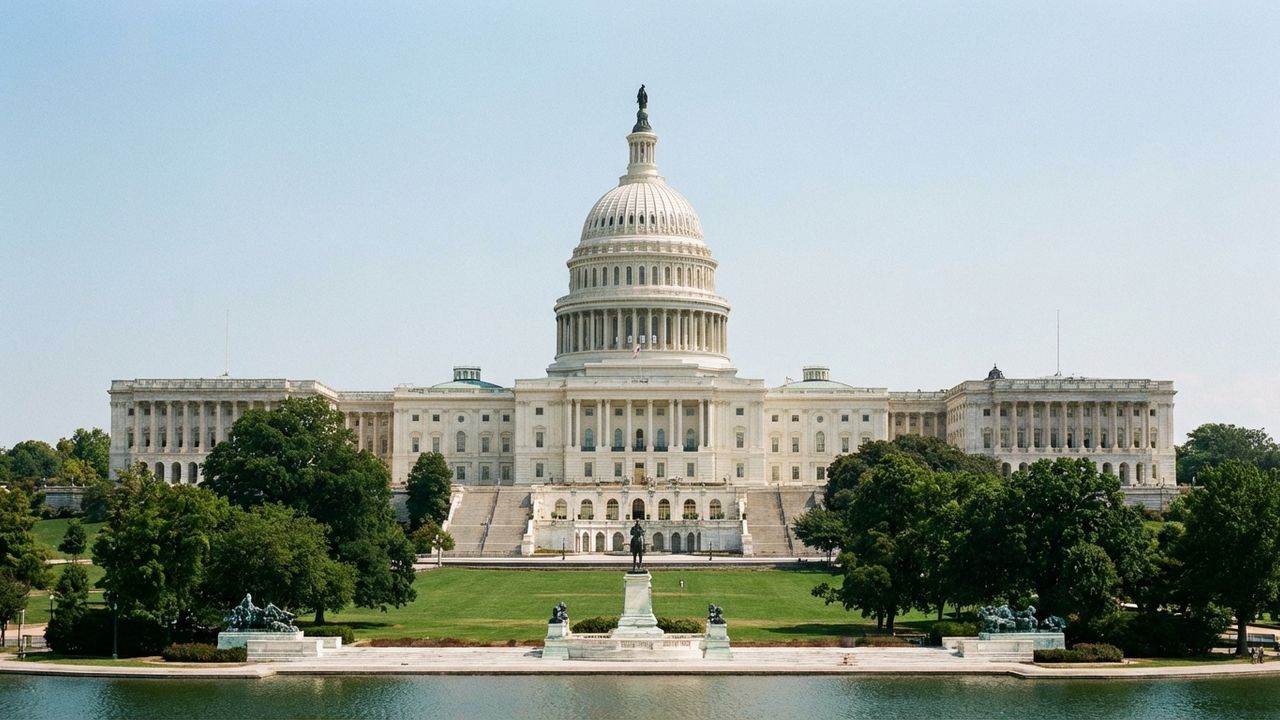
- The revised Digital Asset Market Clarity Act prohibits stablecoin issuers from paying yield or interest to users for simply holding their tokens.
- Senators Angela Alsobrooks and Thom Tillis introduced new language that differentiates between passive holdings and activity-based rewards.
- The banking industry lobbied for these restrictions to prevent stablecoins from competing with traditional interest-bearing bank deposits.
New Restrictions on Stablecoin Yield
Legislators in the United States Senate have adjusted the language of the Digital Asset Market Clarity Act to narrow the scope of allowable rewards for stablecoin users. According to a person familiar with the draft reviewed on Capitol Hill this Monday, the updated text explicitly bans yield payments for merely holding a stablecoin balance. The revision aims to ensure that stablecoin programs do not function as equivalents to traditional bank deposits, creating a clear legal distinction between digital assets and regulated banking products.
Banking Industry Influence and Compromise
The shift in legislative language follows intense pressure from the banking sector. Bankers argued that if stablecoins were permitted to offer interest-bearing rewards similar to bank accounts, they could undermine the traditional financial system by reducing bank liquidity and hampering lending capabilities. In a move to clear legislative roadblocks in the Senate Banking Committee, a compromise was reached: rewards may be granted based on specific user activities—such as transaction volume or platform engagement—but not on the simple maintenance of a balance.
Path to Legislative Approval
The Clarity Act is a critical piece of the broader effort to regulate the U.S. crypto market, following the earlier passage of the GENIUS Act. While a version of the bill has already cleared the House of Representatives and the Senate Agriculture Committee, the Senate Banking Committee remains a vital hurdle. Lawmakers must still resolve disagreements regarding Decentralized Finance (DeFi) oversight and illicit finance protections. Additionally, some Democrats are pushing for a provision that would prevent senior government officials, specifically referencing President Donald Trump, from personally profiting from the industry.
Impact on Institutional Investment
Industry insiders believe that passing the Clarity Act will provide the regulatory certainty necessary to attract major institutional players. By establishing a formal framework within the U.S. financial system, the legislation is expected to encourage developers to build on blockchain technology and prompt a surge of capital from investors who have previously remained on the sidelines due to legal ambiguity. The goal is to complete a comprehensive policy approach that integrates digital assets into the national economy while maintaining financial stability.
What is the market reaction?
0 Comments
No comments yet
Be the first to comment