

March 23, 2026 at 01:34 PM
$3.4M Crypto Scam: How a 'Wrong Number' Text Stole Millions
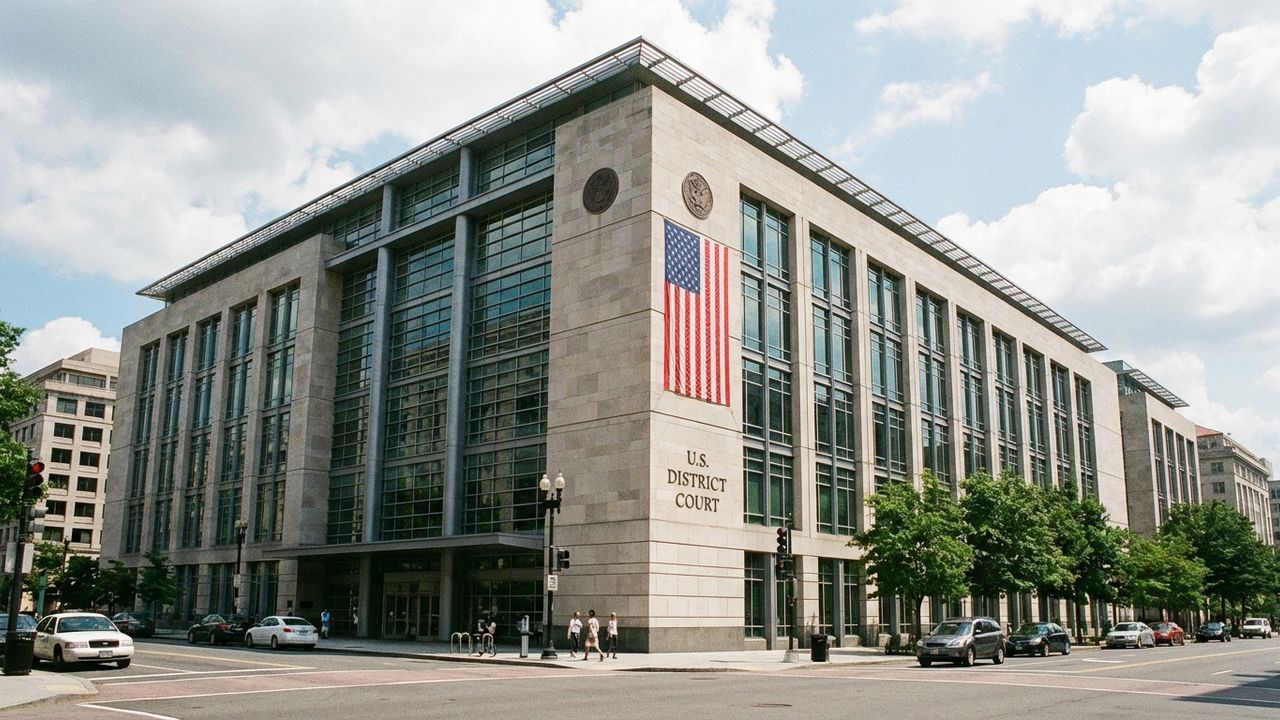
- $3.4 million in assets was seized by federal authorities following a sophisticated cryptocurrency scam that began with a simple "wrong number" text message.
- The scheme utilized a social engineering tactic known as pig-butchering, where victims are emotionally groomed over a long period before being asked to invest.
- Fraudsters combined the growth appeal of Ether (ETH) with the perceived stability of gold to lure victims into transferring funds.
The Anatomy of the Social Engineering Scheme
The scam did not rely on technical vulnerabilities or hacking; instead, it targeted human psychology. Perpetrators initiated contact through apps like WhatsApp and Telegram with a seemingly accidental "Sorry, wrong number" message. This approach bypassed the usual suspicion associated with phishing links, encouraging a polite response and opening the door for a gradual buildup of trust.
Over weeks or months, the scammers maintained a friendly, non-pressured persona, sharing personal details and fostering emotional connections. This methodical grooming process is designed to make the eventual investment pitch feel like advice from a friend rather than a solicitation from a stranger.
The Fraudulent Investment Pitch
Once trust was established, the scammers introduced an "exclusive" opportunity involving Ether investments allegedly backed by gold reserves. To add a layer of perceived legitimacy, victims were instructed to purchase ETH on well-known, regulated cryptocurrency exchanges.
Because the victims handled the initial purchases themselves, they maintained a false sense of security and control. They were then directed to transfer those assets to specific wallet addresses provided by the scammers. By the time the victims realized the opportunity was a facade, their assets had already been moved through a complex web of transactions.
Fund Laundering and Legal Recovery
After receiving the Ether, the perpetrators routed the funds through various intermediary wallets to obscure the trail. The assets were eventually converted into USDT (Tether) and moved to unhosted wallets. Despite these attempts to hide the money, an investigation launched in late 2024 allowed authorities in Boston to trace the digital ledger.
In early 2025, federal prosecutors initiated a civil forfeiture proceeding to recover approximately $3.44 million in USDT. This legal action allows the government to seize assets linked to criminal activity even without a direct criminal conviction of the perpetrators, providing a potential path for victim restitution.
Psychological Triggers and Warning Signs
This case highlights why social engineering remains a dominant threat in the digital asset space. The success of the scam relied on several behavioral factors:
- Politeness Bias: The tendency to respond to accidental messages.
- Trust Building: Creating a sense of familiarity through repeated, casual contact.
- Authority and Credibility: Using the reputation of gold and major exchanges to mask the fraud.
Authorities advise users to remain skeptical of any unsolicited messages and to never transfer cryptocurrency to external wallets based on the recommendation of someone met online, regardless of how much trust has been built.
What is the market reaction?
0 Comments
No comments yet
Be the first to comment