

March 22, 2026 at 07:18 PM
Trump issues 48-hour ultimatum to Iran over Strait of Hormuz
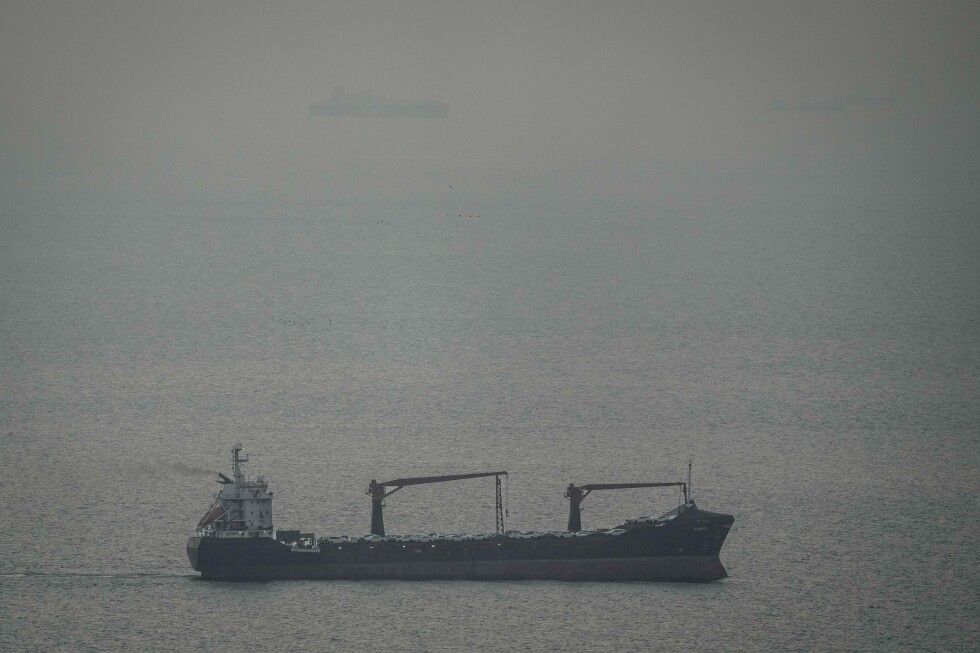
- President Donald Trump has issued a 48-hour ultimatum to Iran, threatening to destroy the country's power plants if the Strait of Hormuz is not reopened.
- The administration recently lifted sanctions on some Iranian oil for the first time in decades to combat rising domestic gas prices before the midterm elections.
- Legal experts and political opponents have warned that targeting civilian infrastructure could constitute a war crime.
Escalation of the Conflict and the 48-Hour Ultimatum
In a significant escalation of tensions, President Donald Trump has warned the Islamic Republic of Iran that the United States will "obliterate" its energy infrastructure unless the Strait of Hormuz is reopened within 48 hours. The threat, delivered via a 51-word social media post, specifically targets various power plants, starting with the nation's largest facilities. This move marks a shift from previous military actions that focused primarily on Iran’s navy, air force, and missile production sites.
U.S. Ambassador to the UN Mike Waltz defended the stance, arguing that the Revolutionary Guard utilizes the power grid to fuel war efforts. However, the ultimatum has faced internal criticism. Senator Chris Murphy suggested the president is panicking due to a lack of a clear exit plan, while Senator Ed Markey characterized the threat against civilian power plants as a potential war crime.
Shifting Strategies and Economic Pressures
The administration's approach to the crisis has been marked by frequent tactical shifts. Within a single week, the White House moved from seeking an international naval coalition to suggesting the U.S. would act alone, and eventually claiming the waterway would "open itself." This volatility comes as oil prices surge globally, creating significant economic pressure just months before the midterm elections.
In an effort to stabilize the market, the Treasury Department recently lifted sanctions on specific quantities of Iranian oil, a move aimed at injecting millions of barrels into the global supply. This follows a similar temporary lifting of sanctions on Russian oil. Despite these efforts, critics argue that the administration has lost leverage and is struggling to manage the consequences of the ongoing maritime blockade.
Legal Scrutiny and International Concerns
The proposed strikes on energy infrastructure have raised serious legal questions. Geoffrey Corn, a military law professor and retired lieutenant colonel, noted that the rules of war require military advantages to outweigh civilian harm when targeting power plants. He described the current strategy as having a "ready, fire, aim" quality, suggesting it lacked rigorous legal review. The U.S. is already facing international pressure following a missile strike on an Iranian elementary school that resulted in the deaths of more than 165 people.
International reactions remain divided. NATO Secretary-General Mark Rutte expressed support for the president’s vision of a navigable strait, noting that 20 countries are working toward that goal. Conversely, Yechiel Leiter, Israel’s ambassador to Washington, urged caution against total infrastructure destruction to allow for future reconstruction. For its part, Iran has threatened to retaliate by permanently closing the strait and attacking U.S. and Israeli infrastructure if the power plants are hit.
What is the market reaction?
0 Comments
No comments yet
Be the first to comment