

March 22, 2026 at 06:12 PM
SEC & CFTC Clarify Crypto Status: Most Assets Not Securities
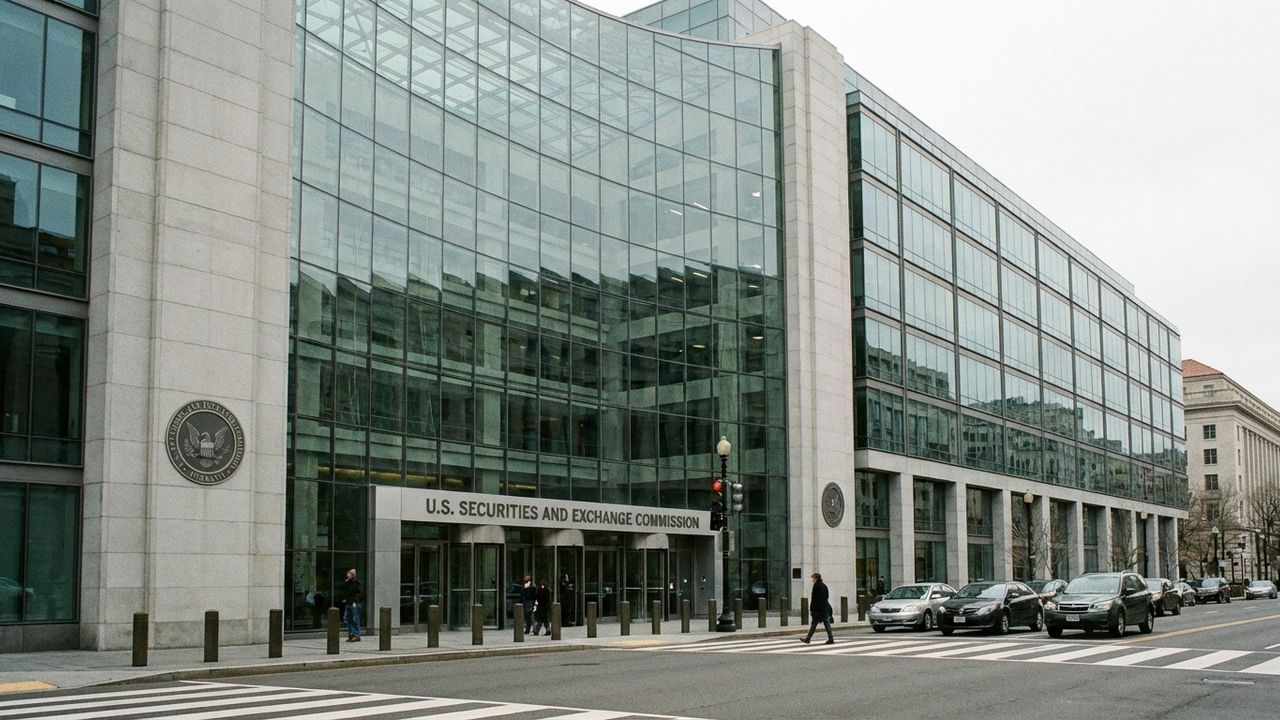
- The SEC and CFTC have issued new interpretive guidance to clarify the classification of digital assets as securities or commodities.
- Most crypto assets are categorized as non-securities, though the Howey Test remains the primary standard for tokens marketed as investment contracts.
- Market structure legislation is expected to see progress in April, with lawmakers aiming to resolve disputes over ethics and stablecoin yields.
- Prediction market provider Kalshi faces significant legal setbacks, including criminal charges in Arizona and a temporary ban in Nevada.
New Regulatory Taxonomy for Digital Assets
The U.S. Securities and Exchange Commission (SEC), in coordination with the Commodity Futures Trading Commission (CFTC), has released a specific framework to distinguish between different types of crypto assets. This guidance aims to provide the industry with a clearer understanding of which assets fall under the SEC's jurisdiction. According to SEC Chair Paul Atkins and Commissioners Hester Peirce and Mark Uyeda, the goal is to establish a "straightforward taxonomy."
The guidance divides the market into several specific categories:
- Digital Securities: Assets that meet the Howey Test or are tokenized versions of traditional securities.
- Digital Commodities: Generally non-security assets, though the SEC maintains enforcement discretion if these are marketed with promises of profit.
- Payment Stablecoins: Assets primarily used for transactions, usually excluded from security classification.
- Digital Collectibles and Tools: Non-fungible items and utility tokens that are typically not viewed as securities unless fractionalized.
Legislative Momentum in Congress
While the new guidance provides immediate clarity, Congressman Troy Downing and other lawmakers emphasize that permanent stability requires federal legislation. Senator Cynthia Lummis indicated that a markup for market structure legislation could occur by the end of April. This bill seeks to codify the CFTC's authority over non-security digital commodities, a move supported by legal experts who argue that current definitions remain ambiguous.
Senator Tim Scott, chair of the Senate Banking Committee, noted that lawmakers are nearing agreements on outstanding issues, including ethics provisions and regulatory quorums. Senator Kirsten Gillibrand highlighted the importance of ethics, arguing that members of Congress must be prevented from profiting from non-public industry information. Additionally, Senators Angela Alsobrooks and Thom Tillis reportedly reached a late-week compromise regarding stablecoin yields, though specific language has not yet been publically released.
Legal Challenges for Prediction Markets
The prediction market sector is facing increased scrutiny from both state regulators and federal lawmakers. Kalshi was recently ordered by a Nevada judge to suspend its sports, election, and entertainment contracts until at least April 3. The court ruled that Kalshi's offerings may fall under state gaming regulations rather than federal commodities law. Simultaneously, Arizona Attorney General Kris Mayes filed criminal charges against the platform, alleging it operated an unlicensed wagering business.
Senator Catherine Cortez-Masto has voiced strong opposition to these platforms, labeling them "illegal sportsbooks" that bypass consumer protections and integrity monitoring. In response, Kalshi co-founder Tarek Mansour described the legal actions as an overstep that ignores the merits of prediction markets as hedging tools.
What is the market reaction?
0 Comments
No comments yet
Be the first to comment