
March 22, 2026 at 05:12 PM
Ethereum's Identity Crisis: Scaling, Quantum, and AI Challenges
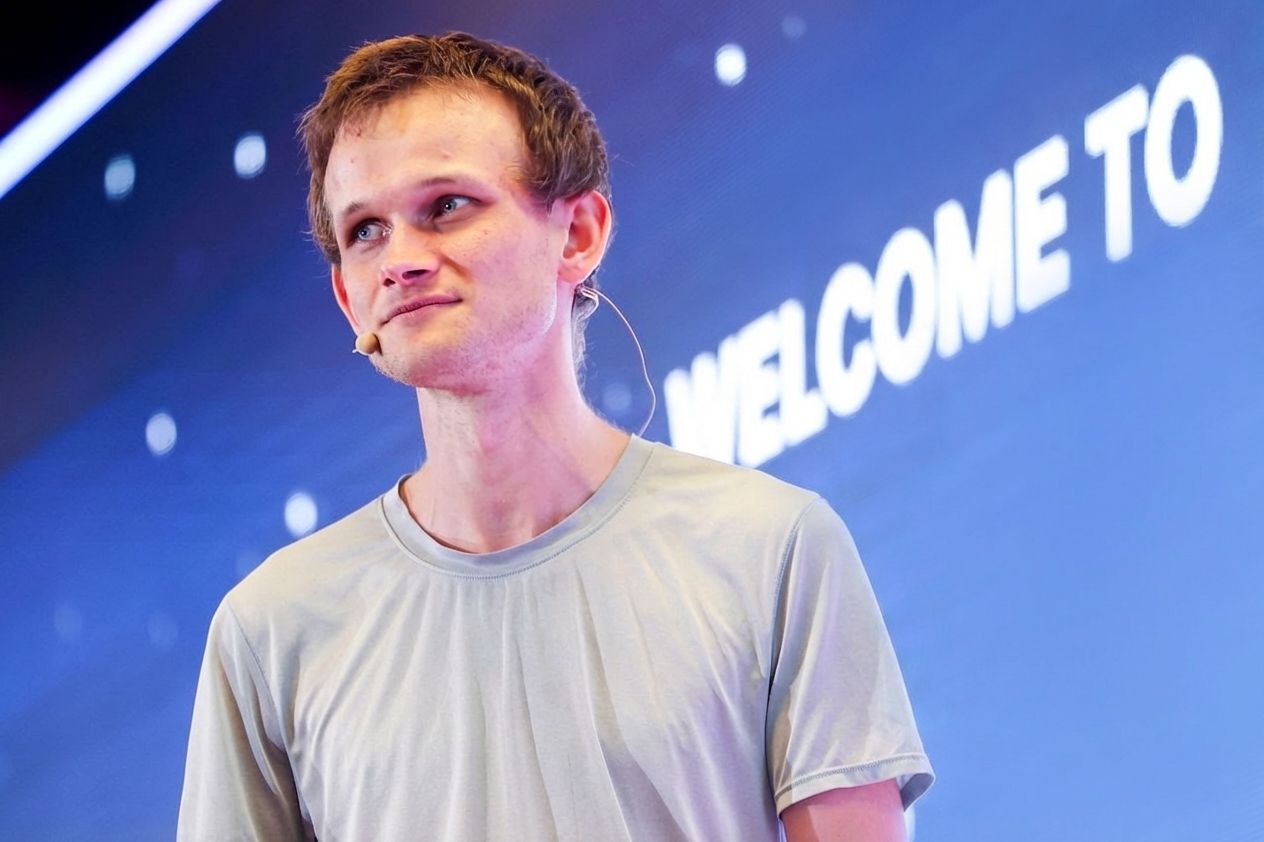
- Vitalik Buterin has challenged the current Layer 2 ecosystem, asserting that many existing solutions are failing to scale the network according to Ethereum's core decentralized principles.
- The Ethereum Foundation is shifting focus toward Quantum Computing resistance and Artificial Intelligence integration as critical strategic pillars for 2026.
- Internal leadership changes, including the departure of co-executive director Tomasz Stańczak, signal a broader recalibration of the network's priorities.
The Scaling Debate and Layer 2 Fragmentation
As 2026 begins, Ethereum is navigating a complex transition. While previous upgrades like Dencun and its proto-danksharding feature successfully lowered costs, a rift has formed regarding the network's direction. Co-founder Vitalik Buterin recently issued a sharp critique of the current rollup landscape, stating, "You are not scaling Ethereum."
Buterin’s concern centers on the fact that many Layer 2 (L2) networks currently rely on centralized components and siloed environments. This fragmentation threatens Ethereum's role as a unified settlement layer. In response, research from 21shares suggests that 2026 will likely be a year of consolidation, where only high-performance, ETH-aligned networks survive. Recent technical progress, such as the Fusaka hard fork in late 2025, has increased data capacity, though it also brought challenges like a surge in automated 'address poisoning' scams.
Shifting Security Priorities and Leadership Transitions
Beyond immediate scaling issues, the Ethereum Foundation is now treating Quantum Computing as a near-term threat rather than a distant academic problem. The network has prioritized the development of LeanVM and post-quantum signature schemes to safeguard the blockchain against future cryptographic breaches.
This technical pivot coincides with significant changes within the Ethereum Foundation's leadership. The departure of Tomasz Stańczak, who served as co-executive director for only a year after succeeding Aya Miyaguchi, suggests an internal reassessment. Analysts view this turnover as a sign that the Foundation is tightening its focus to meet the dual demands of high-stakes security and emerging technological frontiers.
The Vision of Ethereum as an AI Trust Layer
Ethereum is increasingly positioning itself at the intersection of blockchain and Artificial Intelligence (AI). The Foundation’s dedicated decentralized AI research unit (dAI) is exploring how the network can serve as a "trust layer" for autonomous agents. This vision includes:
- Providing a framework for verifiable AI outputs and trust-minimized data sharing.
- Facilitating machine-to-machine economies where agents can transact independently.
- Acting as a neutral coordination layer to prevent AI development from being entirely controlled by centralized entities.
The upcoming Glamsterdam upgrade, scheduled for later this year, is expected to be the next major milestone. It will serve as a critical test for whether Ethereum can successfully balance these ambitious AI and quantum goals while maintaining its foundational security.
What is the market reaction?
0 Comments
No comments yet
Be the first to comment