

March 22, 2026 at 05:03 AM
Trump's 48h ultimatum: Open Strait of Hormuz or face strikes
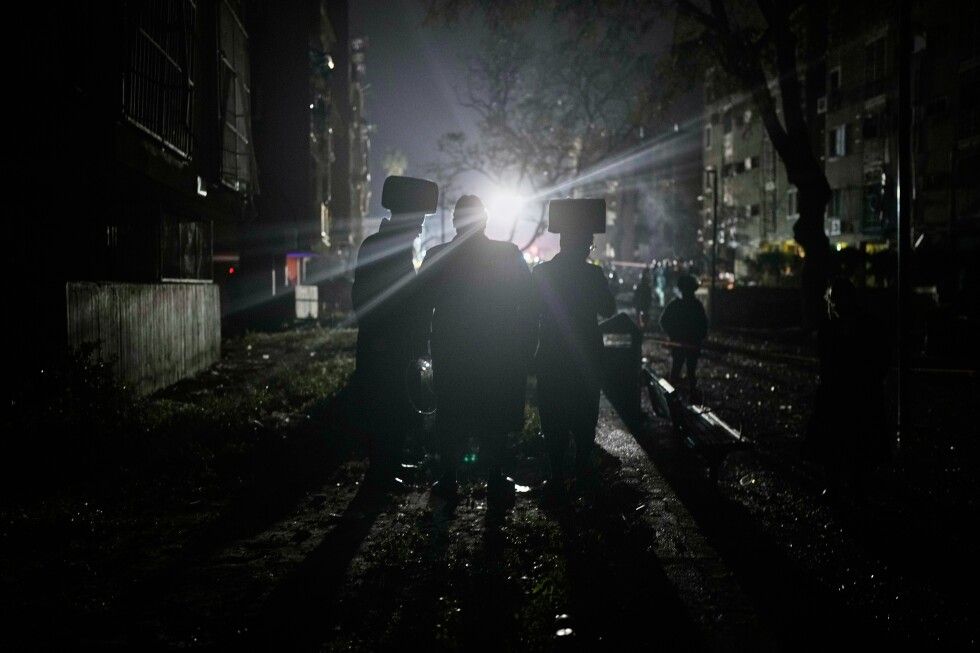
- President Donald Trump has issued a 48-hour ultimatum to Iran, threatening to destroy the nation's power plants if the Strait of Hormuz is not fully reopened.
- Iranian missiles struck the Israeli cities of Arad and Dimona on Saturday night, marking a significant breach of air defense systems near a primary nuclear research facility.
- The ongoing conflict, now entering its fourth week, has caused a near-total halt of oil and gas transit through the Strait of Hormuz, impacting global energy prices.
Trump’s Energy Infrastructure Ultimatum
In a recent escalation of rhetoric, President Donald Trump warned that the United States would "obliterate" Iranian power plants if the Strait of Hormuz remains closed. Trump stated that he is giving the Islamic Republic a 48-hour window to restore access to the vital waterway. He specified that the U.S. military would target various energy facilities, beginning with the country's largest power plant.
In response to these threats, Iran has signaled that any offensive against its energy sector will trigger retaliatory strikes. According to Iranian state media, a military spokesperson confirmed that U.S. and Israeli infrastructure and energy assets throughout the region would be targeted if such an attack occurs.
Missile Strikes and Air Defense Failures
Late Saturday, Iranian missiles targeted communities in southern Israel, causing significant damage in the cities of Arad and Dimona. This incident represents the first time Iranian projectiles have successfully bypassed Israel’s air defense shield in the vicinity of the nation's nuclear research center.
- Arad: Direct hits caused structural damage to at least 10 apartment buildings, with three considered at risk of collapse.
- Dimona: Located 20 kilometers (12 miles) from the nuclear center, the city experienced strikes that local defenses failed to intercept.
- Injuries: Rescue workers reported that at least 64 people were hospitalized following the attacks.
Mohammad Bagher Ghalibaf, the Speaker of the Iranian Parliament, characterized the failure of the air defenses as a sign that the conflict has entered a "new phase."
Global Economic Disruption
The Strait of Hormuz serves as the world's most critical maritime passage for oil and gas. Due to the threat of attacks on commercial vessels, nearly all tanker traffic has ceased. This blockade has forced major oil producers to slash output because their crude supplies cannot reach international markets. Consequently, the war is driving up the costs of both fuel and food on a global scale.
Nuclear Facilities and International Concerns
The regional instability is further complicated by strikes on nuclear-related sites. Earlier on Saturday, Iran’s enrichment site at Natanz was hit, though the Israeli government denied involvement. While the International Atomic Energy Agency (IAEA) reported no radiation leaks or damage to the Israeli research center, it continues to monitor the situation closely. The IAEA also noted that most of Iran’s enriched uranium—approximately 970 pounds (440 kilograms)—is stored at the Isfahan facility, which is currently buried under rubble.
Russia’s Foreign Ministry has warned that strikes on such sensitive facilities create a "real risk of catastrophic disaster" for the entire Middle East region. Meanwhile, the Pentagon has remained silent regarding the specific details of the Natanz strike.
What is the market reaction?
0 Comments
No comments yet
Be the first to comment